
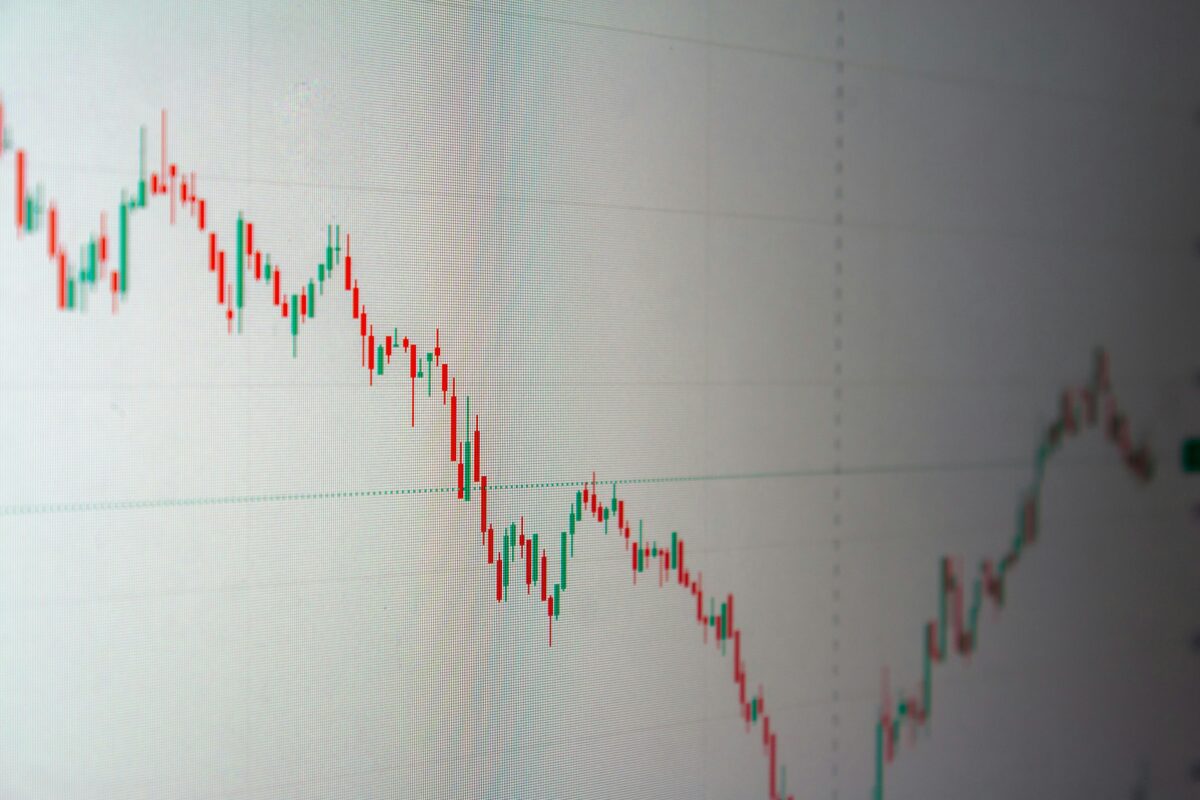
Every trader, no matter how experienced or successful, faces losing streaks. Even the most disciplined professionals experience periods where the market seems to work against them. Losing streaks are an inevitable part of trading, and how a trader responds to them often determines long-term success. While many retail traders panic, overtrade, or abandon their strategies during these periods, professional traders approach losses with a mindset built on discipline, risk management, and emotional control. Understanding these approaches is essential for anyone seeking to thrive in trading, whether in retail accounts or funded prop firm environments.
Accepting Losses as Part of the Process
The first key to handling losing streaks is acceptance. Professional traders recognize that losses are not a reflection of their skill or intelligence—they are a natural outcome of probabilistic markets. No strategy wins 100% of the time, and even the most well-tested systems will have drawdowns.
This acceptance allows professionals to maintain emotional stability. They view each losing trade as a data point rather than a failure. Instead of reacting impulsively, they focus on analyzing what went wrong, ensuring that their strategy and execution remain aligned. Accepting losses prevents the fear and frustration that often drive impulsive trades and overreactions during streaks.
Strict Risk Management
Professional traders rely on strict risk management to survive losing streaks. They limit the amount of capital at risk on each trade, often to a small percentage of the account. This ensures that a series of consecutive losses will not deplete their account or force them out of the market prematurely.
For example, a trader risking 1% per trade can endure several consecutive losing trades without catastrophic consequences, whereas someone risking 5% or more per trade may experience a large drawdown that jeopardizes their ability to trade effectively. Risk management is the safety net that allows professionals to maintain consistency and confidence, even when results are unfavorable.
Sticking to the Trading Plan
A critical difference between professional traders and amateurs is adherence to the trading plan during losing streaks. Professionals follow pre-defined rules for entries, exits, and position sizing, regardless of recent outcomes. Deviating from the plan out of frustration or impatience is one of the fastest ways to compound losses.
During a losing streak, emotions can tempt traders to abandon their strategy in search of “better” setups or “sure wins.” Professionals resist this urge. They trust the statistical edge of their system and remain committed to disciplined execution. This consistency ensures that when the market eventually aligns with their strategy, they are ready to capitalize on opportunities.
Emotional Management and Mindset
Losing streaks are emotionally taxing. Fear, doubt, and frustration can erode decision-making quality, leading to impulsive trades. Professional traders develop psychological tools to manage these emotions. Techniques such as mindfulness, meditation, controlled breathing, and visualization help maintain composure.
Professionals also adopt a long-term perspective, reminding themselves that trading is a marathon, not a sprint. By focusing on consistent process adherence rather than individual outcomes, they prevent emotions from driving destructive behavior. This mindset helps traders navigate periods of drawdown with resilience, keeping them mentally prepared for when the market turns in their favor.
Taking Breaks and Resetting
Sometimes, the best action during a losing streak is to step away. Professional traders know when fatigue, frustration, or negative emotions are affecting judgment. Taking a break from trading allows them to reset mentally, review performance objectively, and return with clarity.
Breaks also prevent overtrading—a common response to losing streaks. Many traders feel the urge to “make back” losses immediately, leading to excessive risk-taking and impulsive trades. By stepping away, professionals avoid this trap and protect both capital and emotional stability.
Analyzing and Learning from Losses
Professional traders view losing streaks as opportunities for learning and improvement. They review their trades systematically, looking for patterns, errors, or deviations from their strategy. This process often involves journaling trades, noting emotional states, and evaluating risk management.
The goal is not to punish oneself for mistakes but to gather actionable insights. Did losses occur because of market conditions that the strategy is not designed for? Were stops placed incorrectly? Was position sizing inconsistent? By analyzing losses objectively, traders can refine their approach and reduce the likelihood of repeating mistakes.
Maintaining Confidence
One of the most challenging aspects of a losing streak is maintaining confidence. It is natural to doubt one’s abilities after consecutive losses. Professional traders, however, understand that confidence comes from preparation, strategy, and disciplined execution—not short-term results.
Confidence is maintained by focusing on process rather than outcome. Traders remind themselves that every trade was executed according to plan, and that losing trades are expected in the probabilistic nature of the market. This mindset allows them to remain composed and ready to capitalize when the market provides favorable conditions.
Avoiding Overcorrection
A common mistake during losing streaks is overcorrection—altering strategies, increasing position sizes, or chasing trades in an attempt to recover losses quickly. Professional traders resist this temptation. They understand that overcompensation often leads to even larger drawdowns and emotional stress.
Instead, professionals continue to follow their established risk parameters and trading rules. They may adjust parameters slightly if market conditions change, but these adjustments are data-driven and systematic, not emotional reactions to losses.
Using Losing Streaks to Build Resilience
Professional traders view losing streaks as an integral part of building mental resilience. The ability to handle adversity calmly is a skill that improves over time. Each losing streak offers lessons in emotional control, patience, and process adherence. Over time, this experience strengthens the trader’s ability to navigate market volatility, reducing the likelihood of impulsive decisions in the future.
Conclusion
Losing streaks are inevitable in trading, but they do not have to be destructive. Professional traders handle losing streaks with a combination of acceptance, risk management, discipline, and emotional control. They adhere to their trading plan, analyze losses objectively, and maintain a long-term perspective.
By focusing on process rather than individual outcomes, taking breaks when necessary, and resisting the urge to overcorrect, professionals maintain consistency and protect their capital. Losing streaks are reframed as opportunities to learn, refine strategies, and build resilience.
Ultimately, the ability to navigate losing streaks separates amateur traders from professionals. While technical skills and strategies are important, it is psychological discipline and process adherence that ensure long-term success. Traders who master these aspects not only survive losing streaks but emerge stronger, more confident, and better prepared to capitalize on the opportunities that follow.
